You’ll Never Know

It’s a busy night. The Stage Door Canteen is packed with sailors, soldiers, Marines and airmen from nearby training bases. And in a big city like New York, there are an ample supply of young women, called junior hostesses, who are there to talk to and dance with the servicemen.

The USO service offered young women an opportunity to do their part for the war effort and volunteer to spend time with the men in uniform at the canteen, so they can forget about the war for a few hours and stay out of trouble. Between the free food, entertainment and the girls to dance with, the Canteen always had a long line right from the 5pm opening. 

But my friends Janie, Kate and I are singers in the USO show. We have a trio and sing onstage.

Janie likes the boys in uniform and loves to dance, so when we’re not on stage, she dances the night away with the best in the room.

People often part the crowd to see Janie and her better partners cut a rug on the dance floor. After our set, Kate and I are happy to dance with the men too.

But tonight for the first time, the band gave me a solo. Standing backstage, I nervously wring my handkerchief in my hands. I’m terrified. My mouth is dry, I can’t remember any of the words to the song and I think I’m going to throw up.

“I know you’re nervous, but don’t worry about it. Just find a guy at a table and sing to him,” our manager Eddie says, putting his hand on my shoulders to reassure me.

The music begins and the spotlight shines on the microphone. It’s time to sing. As I walk to the mic, I scan the tables up and down to find someone, anyone looking up at me.

In an instant I lock eyes with a sailor in the middle of the room. He was looking at me, really looking. So I shoot him a quick smile and taking Eddie’s advice, I sing my song directly to the sailor. It starts.. “You’ll Never Know…”

The song fades into the back of my mind as I sing to him. It’s working. My nervous energy dispells and I keep singing without thinking, as if I’m on autopilot.

I find myself staring at him too. He had a wave of bright auburn red hair and a cute almost sideways grin. I’m so intrigued by him, I don’t even realize I finished the song until the uproarious audience applause instantly snaps me back to reality.  

I take my bow, and everyone backstage congratulates me. I’m happy the song was good, but I can’t take my mind off the red-headed sailor. Why was he staring at me so intently? Did I remind him of someone, maybe a girlfriend? Maybe he just liked the way I sang?

I have to know why, so I step down onto the dance floor but it was so crowded, I can’t find him.

My eyes quickly wander around the room darting back and forth several times, trying to find him through the wall of dancing couples, but he’s no longer there.

I start to wonder if he was real or just in my imagination. Maybe I dreamed the whole encounter?

Suddenly, there’s an opening in the dancers and see him slowing walking to me. His emerald eyes sparkle. They’re the kind of eyes that mesmerize you and in an instant I’m lost, adrift in their endless fields of green.

 I can’t avert his gaze, but truthfully, I don’t think I want to.

Everything seems to stop around us. The dancers, musicians, everyone disappears from consciousness. It’s as if we’re all alone.

“Excuse me,” he says. “I really liked your song. It felt like you were singing only to me. But I guess that’s the idea.”

Suddenly the band plays a slow song and the dance floor is so packed; we’re pushed together.

“Guess this means we should dance.”

He laughs and puts his hand out for me to take. And I did.

The moment he put his hand around my waist, I feel a rush of warmth engulf me. It’s like a warm fire, a cup of hot cocoa and a cozy blanket, all at the same time.

One song turned into three, then four, then eight. As the band plays, we’re frozen in each other’s arms, linked in a rhythmic pattern, neither able to let go.

As the room began to slowly empty, we’re oblivious to the time and our surroundings until the band stops playing and we realize we really are nearly alone.

We both stand there not knowing what to say. I can’t stand the silence; I have to say something.

“Thank you for the dances,” I say earnestly.

“No, thank you, pretty lady,” he says and gently kisses my hand. “My name is Red.”

And then he’s ushered out the door with the rest of the men. I wonder if I’ll ever see him again. You never know.

(c) Suzanne Rudd Hamilton 2021,2024

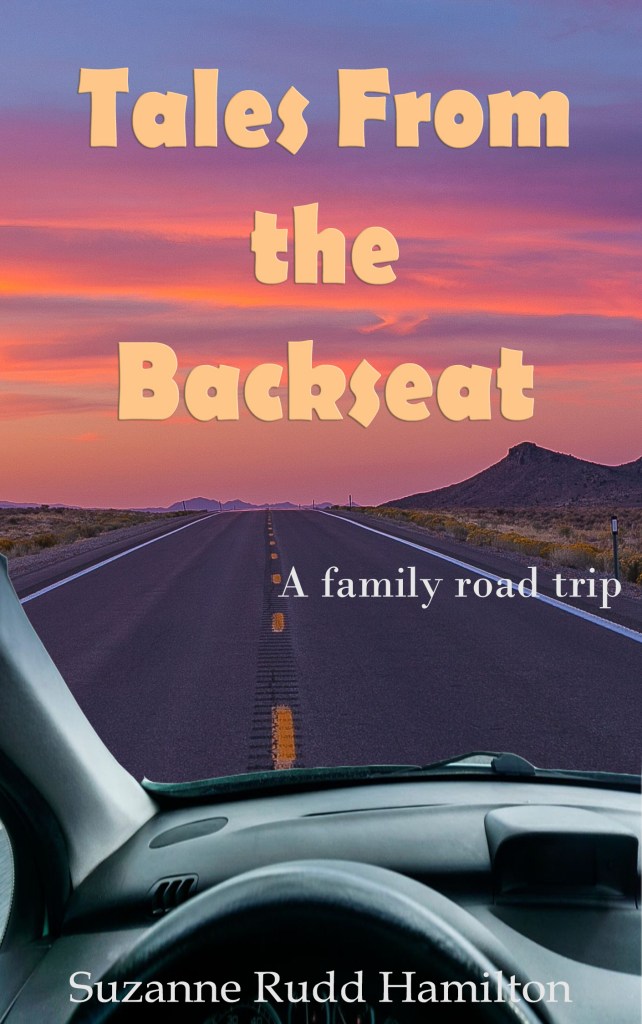
Author’s Note: Sometimes the prompts in my writer’s club remind me of things I wrote before. Coincidentally, the prompt was You’ll Never Know, a popular song from the 1940s and the original title for this book. So I had to take my favorite excerpt from this book and make it into a short story for this prompt. Does she ever see him again? Spoiler alert… yes. But to see what happens to them, read the first chapter of this book by clicking the above cover image.

Cheating Time

I keep having this reoccurring dream that I’m running down an empty street. It’s darker than a midnight where the dim shadow of a sliver blue moon and the intermittent blink of a couple faulty streetlights cast cruel lonely silhouettes.

All I can hear is the haunting echo of my kitten-heeled slingbacks against the pavement and the heaving sighs of my own breathless lungs trying to gasp for air. Then I wake up… every time.

For most people, it would be a terrifying nightmare that abruptly wakes you on a restless night covered in sweat from the frightening images playing like a movie right in your head. But not me.

As a newspaper reporter, curiosity is my bread and butter. If I wasn’t blindly intrigued by nearly everything, I’d be covering dog shows and penning obituaries. The newspaper game isn’t friendly to dames.

But I’m not scared. Beck’s Rule #35, If you’re chicken, you better stay on the farm. Fear is a commodity you can’t afford in my business. But the dream tells me two things. I will not live to a ripe old age. I must die young or I wouldn’t be able to run in heels. And I likely make someone so mad, they want to off me. Good. That means I’m doing my job.

Still, I have a clock on me. Beck’s Rule #42, Time is something you can’t control and can’t worry about. So I don’t worry. I just move forward.

I often feel time running out. But then, I just turn the hourglass over and cheat a few more hours, days, weeks, minutes, years… whatever I need.

Maybe Carrington is feeling the squeeze too. At least I hope so. Even though he’s a few steps ahead of me, I’m catching up. I trust my infallible instincts. I always get my story, no matter what.

My article on counterfeit money definitely ruffled his overstuffed feathers and a few others. I’ve always suspected Carrington’s deep pockets lined some corrupt police wallets and now I know it’s true.

When I reach down for another smoke from my desk drawer, I look over the paper in my faithful Smith-Corona typewriter and see blue wool and gold buttons. Only one organization is old and stale enough to sport that same combination since there was a beat to walk.

“Hello officers, how’s tricks?” I light my cigarette and relax back in my chair, showing little disregard for their imposing presence.

“May, we want to know what evidence you have to prove your counterfeit ring,” Officer Brown orders.

Brown thinks and acts like a hardass, but I know he’s really a stoolie for the Chief, who’s a flunky for the police commissioner, who’s in the mayor’s back pocket. He even looks like someone who’s dumped on. His head is flat and his nose is pushed in like it’s pressed against too many things.

“Now Officer Brown, you know the rules. My sources are none of your business, until you read them in The News Bugle,” I say coyly. I like to play with him.

He huffs and puffs like the proverbial wolf at my house door.

“If that’s the way you want it, I’ll go talk to your editor.”

“Go ahead. You’ll find him less helpful than I am. Puff, Puff Brownie,” I chuckle and he stomps away to my bosses hovel on the other side of the newsroom.

My friend, Officer Ernie, stays behind. He’s a sweet, but a very young rookie with a boyish face and red cheeks when he’s upset, like now.

“May, you shouldn’t talk to him like that. Why make enemies?” Ernie urges.

“Ernie. Trust me. I made enemies with the police in this town the minute I inked my first byline. You’re a good egg, but that guy stinks of payoff and Carrington is footing the bill,” I say.

“You need to be careful. Carrington is a powerful man,” Ernie warns.

“Yeah. They all are. Until they’re not. But Ernie, meet me tonight at the laundry on Jefferson Street and I’ll clue you in on my scheme. But don’t bring that wet blanket and don’t mention it to anyone. Stick with me and you’ll make detective before your pimples dry up,” I tease.

I make Ernie nervous. He takes off his hat to cover his flushed cheeks and walks over to the editor’s office.

Carrington would never send his goons after me, so he sent in the stooge squad to intimidate me? He obviously doesn’t know me. But he will.

Ernie will meet me. I have faith in him. I’m just not sure he’s ready to trust himself.

That night, amid a deep mist reveled by the lone bulb in back of the laundry, Erie’s waiting for me, as directed. Dressed in my sneaking-around outfit, black ballet flats and black pants and coat, I sneak up from behind and scare him.

“Stick ‘em up.” I poke him in the back and he jumps three feet in the air.

“May, cut out the clowning. What are we doing here, anyway?” Ernie uncomfortably asked.

“Carrington is using the back of this room for his illegal printing presses. I saw it myself a few days ago,” I explain and take out my lock picking set.

“Turn around so you don’t see a crime being committed,” I order and he turns his back with a disagreeable sigh.

Then I go to work on the lock. It was a one pin tumbler, easy as pie. I’ve become as adept as a locksmith at getting into places no one wants me in.

I carefully push open the door and motion Ernie to follow.

“Come on, Ernie.”

He looks around, shrugs and follows me. If I could see his face, I’d bet it was red and pink all over.

But when I turn my flashlight on, all I see is steamers and wash machines. The area in the back is vacant. The presses are gone.

“May, there’s nothing here,” Ernie says, wondering why I led him on this goose chase.

“Darn that Carrington. He’s two steps ahead of me, alright.”

I wander around the blank space in frustration, wildly moving my flashlight around, hoping for a clue, anything.

“Come on May. We need to leave. I could get busted down to meter maid for this.” Ernie edges toward the door, nervously.

I turn toward him and my light hits a glimmer of something in the corner.

“Wait a second.” I move toward the object and motion him to join me.

Leaning down, I pick up a ball of white paper. It was a partial print of a $10 bill. Then I see a splotch of hunter green ink smeared on the floor.

“See, Ernie, check this out,” I show him the paper and the ink.

He takes the paper from my hand and gazes at it suspiciously.

“I was right. They were printing phony baloney money, here. I got under their skin and tipped their hand,” I say with a satisfactory grin.

Ernie quietly examined the paper and the ink-stained floor.

“Ok. You’re on to something here. But now they know you know, so you better watch your six. I’ll make some discreet inquiries on the street. Don’t do anything else,” Ernie warns.

Grabbing the paper from his hands, I stuff it in my pocket.

“I think you know me better than that. I’ll let you know when I find our next clue. Stick with me, kid. This will be the first big arrest of your career,” I smile.

“Yeah, either that or we’ll both end up six feet under. Just be careful,” Ernie says as we exit the room.

“Careful and curious are two opposite directions, Ernie. I’ll be in touch,” I say and disappear into the midst of the dark night.

(c) Suzanne Rudd Hamilton, 2024

A Not OK Corral

Episode 5: Tales from the Backseat

On my family’s continuing journey to map the United States with our brown Oldsmobile station wagon, I learned many things. It was more than just the names and places, but outside of the confines of our hometown, I realized lessons of life, people and my parents that echo through my daily life even today.

In the dry dusty desert of Arizona, we ventured to the legendary town of Tombstone, depicted in many movies and television shows as the heart of the old west and the site of an epic gunfight between the lawful Earp brothers and the criminal Clanton clan.  

A child of cowboy movies and serials in the 1950s, my dad was especially anxious to step back in time into a real 1880s western town, preserved for tourism. One of his favorites was Gunfight at the OK Corral with Burt Lancaster and Kirk Douglas. As we strolled through the dirt main street, he gave us a guided tour of the town, just as he remembered in the movie.

“Wow, look at this kids. It’s just like in the movies. You can even smell the atmosphere. Here’s the General Store and Doc Holliday’s dental office, the Sheriff’s office, that’s where Wyatt Earp worked, the Oriental Saloon and the Bird Cage Theater, that’s where the ladies danced for the cowboys and… “

“And nothing else,” my mother interrupted. “Ok, let’s go inside a building to get away from this horse stench out here.”

We walked along the railed wooden planks next to the storefronts and my dad’s eyes lit up like a kid in a candy store with every building.

“And here’s where the cowboys would park their horses and put their reins over the railing,” he said and demonstrated in pantomime how it would be done.

 In the general store window, he saw some hats and excitedly smiled and rushed to the door.

“That’s what we need to get us all in the mood. Let’s get some cowboy hats.”

We all picked out different hats. My dad’s was a black cowboy hat with a braided leather brim and my brother and sister and I picked from the more colorful red and blue kids’ hats.

“Dad, I want the red one,” I smiled.  

“Me too,” my little sister mimicked me. I rolled my eyes and sighed, tired of being copied by a little girl all the time.

“Why don’t you all get red, that way you’ll look like a cowboy gang,” my dad smiled and we walked out of the store with red hats and cap guns, ready for action.

Across from the General Store, there was a white building that stood out among the rest. It was the saloon. The sign in the window caught my dad’s eye. It read Real Sarsaparilla.

Again his eyes ignited with delight and he grabbed my little sister’s hand and led us into the saloon. The small space sported an ornately decorated mahogany-colored wooden bar with shiny brass rail and liquor bottles in all shapes and sizes gleaming against the mirrored back. In front was a man with a white shirt, red vest and a big curly mustache.

“What’s your pleasure, partner,” he said in a western accent.

Proudly my father stuck out his chest and leaned his arm against the bar, beaming at us as if he was being photographed.  

“Five sarsaparillas, partner,” he said in a simulated western accent and laughed.

A few minutes later we were sitting at an old wooden table with glass mugs in front of us. The reddish brown liquid inside looked familiar, like Coca-Cola, so we eagerly drank up. But the taste inside was definitely different.

My brother and I were the first to stare at each other with squished disapproving faces. It tasted like the strongest Dr. Pepper ever made. You could almost taste the pepper as if it were shaken into the cup. We didn’t like it.

I watched my father’s face. He winced a little but glued on a smile to cover. I don’t think he liked it either, but he wanted to put on a good front.

“Aaaah,” he put down his mug. “Tastes like the old west.”

Forever shadowing my father, my brother drank up some more, but I shook my head and sat back in my seat. I was done.

Old buildings, with their musky mix of old wood and aged interior were difficult for my mother’s allergies and sensitive nose. So, she began to hold a Kleenex over her nose, which was a sign we needed to move on. Seeing her signal, my dad rolled his eyes at her.

“Let’s get some fresh air, partners,” he told us in his pretend western swagger.

We walked along the dusty dirt and gravel street again until we reached tall wooden fence that said “O.K. Corral.”

My dad was almost giddy.

“This is it, kids. The very place where The Earp Brothers gunned down those Clantons nearly 100 years ago. It was one of the most famous old west gun battles in history. Are you ready?”

Then we saw another sign. To see the site of the greatest gun battle in history, there was a steep tourism fee. In that instant, I saw my father’s excitement swiftly transform to unbridled indignation and disgust.

“What? They have got to be kidding. I’m not going to pay that to see a patch of dirt and a fence that’s 100 years old. That’s ridiculous! How do they think they can get away with that?”

And in that moment, our trip into yesterday, reveling in the days of my dad’s youthful wonder hit smack up against rabid commercialism and my dad’s biggest pet peeve…

“Do they think I was born yesterday? I’m not their sucker.” He ranted but then glanced down at the little band of red hat and holster-clad kids with their cap guns at the ready, looking up at him with their big brown puppy eyes in confusion.

Then his eyes grew big and he crept toward a knothole in the fence.

“Kids. Let’s play I spy and peep through the secret hole.”

One at a time, he lifted us up to see through the hole, narrating the tale of the gunfight as though he were there with all the detail and drama, even providing the sound effects of the bullets and the victims falling to the ground.

When I stared through the hole, all I saw was a big empty open dirt space, but it was his storytelling that made it interesting.

Shortly afterward we piled into the brown Oldsmobile station wagon and made our way west.

Of all the tourist traps we visited on this trip and others; I’ll especially remember this one as our peek into my dad’s little boy cowboy fantasies coming to life and then meeting head on with his adult reality.

Author’s Note: Tales from the Backseat is a continuing serial of a a typical family American vacation.

(c) Suzanne Rudd Hamilton 2024

Innocent?

Rachel felt as though she were living in a sinkhole of absurdity, delving deeper and deeper into the ridiculous with every passing day. The problem was her husband Hal, but really what he morphed into… a giant ogre of idiosyncratic annoyance.
Trapped somewhere between the twilight zone and the worst fraternity house on campus, she was stuck in a time loop of constant frustration. In short, his personal conduct and habits were becoming infuriating.
Every morning he woke up and plopped himself in front of the TV snacking and munching all day, while watching nothing. He had to hold the record for the most clicks on the remote in a minute not viewing anything while audibly complaining how there was nothing good on TV anymore and at the same time turning it up to maximum volume so he could hear it. And when she complained that either her ears or the glassware were going to shatter from the volume, he turned on the closed caption.

“Please get a hearing aid,” she’d utter at regular frequency. But the irony is, he couldn’t hear it.
That’s even if she could stay in the room with the never ending flatulence assaulting her senses, leaving her running out of the room on many occasions. Yet seemingly providing a source of humor to him as he mindlessly giggled at the smells and sounds.

Sometimes she wondered if an alien replaced her husband with the most comedicly vile form of human imaginable to study her resolve or her breakdown into insanity.
Each night she began dreaming that she’d be driven to the edge of reason and kill him.
But instead of villainous murder, her fantasies were humorous, and innocent cartoonlike romps, like lighting a match near his flatulent posterior and poof he would be gone. Or shoving the TV remote in his mouth and smashing the TV over his head so drawings of stars would appear over his head with the letter x over his eyes.
In the morning she’d wake up and shake her head back to reality, somewhat amushed, but mostly frightened about what her subconscious mind concocted in her sleep.
is that really the way I feel?
No, she reasoned. But each day brought new struggles, like the Week he wore the same tv shirt and sweatpants every day.
“they’re comfortable and not even dirty,” he replied to her objections.
but the final straw was when he sat outside, watching TV and smoking his cigar while loudly laughing at the three stooges while her friends were visiting for a girls afternoon in the pool. it was two obnoxious offenses all in one.
“Please go inside you’re embarrassing me,” she begged.
“ok. Sure. after I finish this stogie it’s a Cuban and you won’t let me smoke inside. Can’t waste it.”
Soon after her fun afternoon ended abruptly with her friends pity as they all gladly left early, not being able to stand anymore.
with a full steam of anger, she went to confront him, but he got the first word in.
“oh, the girls left early what a shame,” he said nonchalantly.
She couldn’t believe it. He didn’t even realize that he drove them off.
Frustrated, she stomped into the house, and made a pot of coffee infused with a little Baileys to calm her down when he yelled from the patio.
“Hey, I smell the coffee. Could you bring me a cup? And don’t forget the sugar.”
as if she transformed into a cartoon drawing of her own, she could feel the steam coming out of her ears like blowing a factory whistle when the workday was over.
The next few minutes were a complete blur as she begrudgingly delivered his coffee and then retreated back to the kitchen to find two boxes sitting right next to each other. the sugar and rat poison.
“How did that get there?” She said in a panic. “oh my God, did I put the rat poison in his coffee? Could I have done that? I don’t even remember bringing it out.”
Slowly, she tiptoe toward the patio, watching and listening for any signs of her murderous intent, but there was nothing. There he was still laughing and puffing away.
“Whew she said in relief, but does that mean my dreams are coming to life? Do I really want this to happen? Am I innocent or guilty?”

The First Encounter

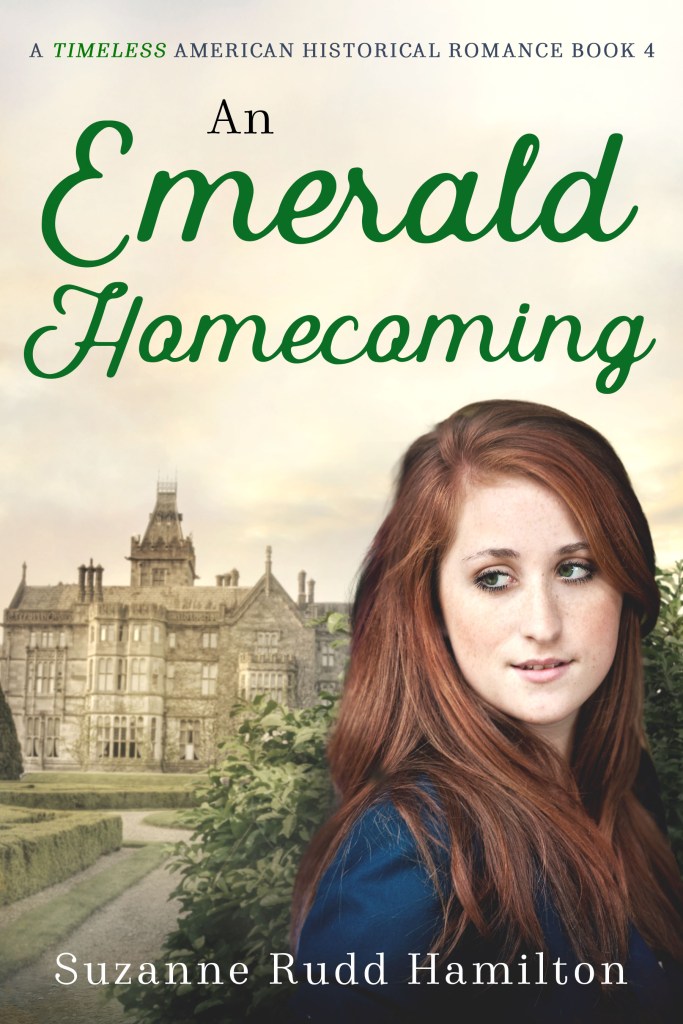
Author’s Note: This is an exerpt from An Emerald Homecoming, an upcoming novel from A Timeless American Historical Romance Series.

Each day Jackie biked to the beach alone. She sat on the sand, gazing into the infinite golden horizon, searching for the meaning of what happened with her parents’ death by looking into the clouds for answers or solace, she didn’t know which. The trip to Ireland offered a welcome distraction, but the gloom and ache in her gut remained.


I Hate Green Beans!

As a kid, I had a very strict rule. I didn’t eat anything green. I was a finicky eater at best, but I just hated the awful taste in my mouth. And to make matters worse, my mother wasn’t a cook. She put everything on the table as best as she could, unfortunately, that meant canned, frozen, or pre-prepared packaged foods.

We ate oddly molded lunch meat, fish that only came in breaded stick form and two vegetables, green beans or spinach served from a can.

The green beans were French cut and limp with a taste somewhere between shoe sole and drowned pasta. The spinach was, to my chagrin, not Popeye’s strength food, but this congealed blob of green guck, with a hard boiled egg in it. Why she added a hard boiled egg, I had no idea, but I knew it was the spinach that turned the egg green. I often wondered if that’s where green eggs and ham in the book came from.

The nightly ritual of eating my vegetables was a tense standoff. I didn’t want to eat them. My parents tried to force me too.

So, my father made me to sit at the table until I finished them. But since the TV was in full view of the table, that wasn’t much of an incentive or punishment. I sat there for hours in a battle of wills.

One point I thought I’d get a little cleaver and strew the vegetables around my plate and not in a bunch, so it looked like I had eaten some, when I hadn’t.

Being less than successful, I upped the ante a bit. I loved mashed potatoes, but in a devious rouse, I’d leave a clump of mashed potatoes on my plate, feigning lack of hunger, and hide the green beans or spinach under my potatoes. That actually worked for a while. But one day, my mother caught me hiding green beans under my mashed potatoes and the jig was up. 

So at the table I sat in a perpetual tug of war. And quite frankly, if my parents hadn’t given up… I’d probably still be sitting there.

(C) Copyright 2024 Suzanne Rudd Hamilton

Cheating Time

I keep having this reoccurring dream that I’m running down an empty street. It’s darker than a midnight where the dim shadow of a sliver blue moon and the intermittent blink of a couple faulty streetlights cast cruel lonely silhouettes.

All I can hear is the haunting echo of my kitten-heeled slingbacks against the pavement and the heaving sighs of my own breathless lungs trying to gasp for air. Then I wake up… every time.

For most people, it would be a terrifying nightmare that abruptly wakes you on a restless night covered in sweat from the frightening images playing like a movie right in your head. But not me.

As a newspaper reporter, curiosity is my bread and butter. If I wasn’t blindly intrigued by nearly everything, I’d be covering dog shows and penning obituaries. The newspaper game isn’t friendly to dames.

But I’m not scared. Beck’s Rule #35, If you’re chicken, you better stay on the farm. Fear is a commodity you can’t afford in my business. But the dream tells me two things. I will not live to a ripe old age. I must die young or I wouldn’t be able to run in heels. And I likely make someone so mad, they want to off me. Good. That means I’m doing my job.

Still, I have a clock on me. Beck’s Rule #42, Time is something you can’t control and can’t worry about. So I don’t worry. I just move forward.

I often feel time running out. But then, I just turn the hourglass over and cheat a few more hours, days, weeks, minutes, years… whatever I need.

Maybe Carrington is feeling the squeeze too. At least I hope so. Even though he’s a few steps ahead of me, I’m catching up. I trust my infallible instincts. I always get my story, no matter what.

My article on counterfeit money definitely ruffled his overstuffed feathers and a few others. I’ve always suspected Carrington’s deep pockets lined some corrupt police wallets and now I know it’s true.

When I reach down for another smoke from my desk drawer, I look over the paper in my faithful Smith-Corona typewriter and see blue wool and gold buttons. Only one organization is old and stale enough to sport that same combination since there was a beat to walk.

“Hello officers, how’s tricks?” I light my cigarette and relax back in my chair, showing little disregard for their imposing presence.

“May, we want to know what evidence you have to prove your counterfeit ring,” Officer Brown orders.

Brown thinks and acts like a hardass, but I know he’s really a stoolie for the Chief, who’s a flunky for the police commissioner, who’s in the mayor’s back pocket. He even looks like someone who’s dumped on. His head is flat and his nose is pushed in like it’s pressed against too many things.

“Now Officer Brown, you know the rules. My sources are none of your business, until you read them in The News Bugle,” I say coyly. I like to play with him.

He huffs and puffs like the proverbial wolf at my house door.

“If that’s the way you want it, I’ll go talk to your editor.”

“Go ahead. You’ll find him less helpful than I am. Puff, Puff Brownie,” I chuckle and he stomps away to my bosses hovel on the other side of the newsroom.

My friend, Officer Ernie, stays behind. He’s a sweet, but a very young rookie with a boyish face and red cheeks when he’s upset, like now.

“May, you shouldn’t talk to him like that. Why make enemies?” Ernie urges.

“Ernie. Trust me. I made enemies with the police in this town the minute I inked my first byline. You’re a good egg, but that guy stinks of payoff and Carrington is footing the bill,” I say.

“You need to be careful. Carrington is a powerful man,” Ernie warns.

“Yeah. They all are. Until they’re not. But Ernie, meet me tonight at the laundry on Jefferson Street and I’ll clue you in on my scheme. But don’t bring that wet blanket and don’t mention it to anyone. Stick with me and you’ll make detective before your pimples dry up,” I tease.

I make Ernie nervous. He takes off his hat to cover his flushed cheeks and walks over to the editor’s office.

Carrington would never send his goons after me, so he sent in the stooge squad to intimidate me? He obviously doesn’t know me. But he will.

Ernie will meet me. I have faith in him. I’m just not sure he’s ready to trust himself.

That night, amid a deep mist reveled by the lone bulb in back of the laundry, Erie’s waiting for me, as directed. Dressed in my sneaking-around outfit, black ballet flats and black pants and coat, I sneak up from behind and scare him.

“Stick ‘em up.” I poke him in the back and he jumps three feet in the air.

“May, cut out the clowning. What are we doing here, anyway?” Ernie uncomfortably asked.

“Carrington is using the back of this room for his illegal printing presses. I saw it myself a few days ago,” I explain and take out my lock picking set.

“Turn around so you don’t see a crime being committed,” I order and he turns his back with a disagreeable sigh.

Then I go to work on the lock. It was a one pin tumbler, easy as pie. I’ve become as adept as a locksmith at getting into places no one wants me in.

I carefully push open the door and motion Ernie to follow.

“Come on, Ernie.”

He looks around, shrugs and follows me. If I could see his face, I’d bet it was red and pink all over.

But when I turn my flashlight on, all I see is steamers and wash machines. The area in the back is vacant. The presses are gone.

“May, there’s nothing here,” Ernie says, wondering why I led him on this goose chase.

“Darn that Carrington. He’s two steps ahead of me, alright.”

I wander around the blank space in frustration, wildly moving my flashlight around, hoping for a clue, anything.

“Come on May. We need to leave. I could get busted down to meter maid for this.” Ernie edges toward the door, nervously.

I turn toward him and my light hits a glimmer of something in the corner.

“Wait a second.” I move toward the object and motion him to join me.

Leaning down, I pick up a ball of white paper. It was a partial print of a $10 bill. Then I see a splotch of hunter green ink smeared on the floor.

“See, Ernie, check this out,” I show him the paper and the ink.

He takes the paper from my hand and gazes at it suspiciously.

“I was right. They were printing phony baloney money, here. I got under their skin and tipped their hand,” I say with a satisfactory grin.

Ernie quietly examined the paper and the ink-stained floor.

“Ok. You’re on to something here. But now they know you know, so you better watch your six. I’ll make some discreet inquiries on the street. Don’t do anything else,” Ernie warns.

Grabbing the paper from his hands, I stuff it in my pocket.

“I think you know me better than that. I’ll let you know when I find our next clue. Stick with me, kid. This will be the first big arrest of your career,” I smile.

“Yeah, either that or we’ll both end up six feet under. Just be careful,” Ernie says as we exit the room.

“Careful and curious are two opposite directions, Ernie. I’ll be in touch,” I say and disappear into the midst of the dark night.

(c) 2024 Suzanne Rudd Hamilton

Author’s Note: This is a sneak peek from When Walls Talk: Beck’s Rules Mysteries Book 2, a prequel to Beck’s Rules.

Tales From the Back Seat

Episode 1 – We’re Off to See… A Nudist Camp?

Author’s Note: This is the first episode of a continuing serial about a nostalgic look back at family vacations.

Everyone has childhood vacation stories. Dads taking too many photos. Mom’s obsessively giving handy wipes to each kid after they touched anything. And siblings forever wrangling for ever-precious inches of space on long road trips.

They’re the stories everyone tells many years later at family reunions, with or without scrapbooks and slide shows, making fun of each other’s clothing and antics, often opening old wounds long forgotten or never healed.

My story is from a month’s long cross-country car trip taken by my family in 197…something. Traveling with my family that long revealed the good, bad and ugly in all of us. We saw much of our country; the interesting and even the strange. We met people. And we drove. We drove a lot. But most of all, we made memories that we’ll always remember, for better or worse.

Dad had a thirst for adventure and a love for history. Owning his own business, he worked a lot, so this long trip was designed to see the country’s history and experience its wonder with his children. He wanted to see it all, even the most unusual tourist traps in every state.

Starting from our home in the south suburbs of Chicago, we charted a course south, then west, then north and back east logging thousands of miles in our brown Oldsmobile station wagon.

The grind of the road was challenging right from the start. There were no electronic handheld games, no computers with movies on DVD, no headphones or earbuds with small private music devices, nothing. We had an AM/FM radio that everyone in the car had to listen to simultaneously when we could get a signal.

For me, passing the time was easy. I was a bookworm. I packed a library full of books in the tote bag I won in a reading challenge contest and with my lifelong superpower to quiet the noise around me, I read and read and read.

My siblings weren’t as lucky. My little sister brought some dolls to play with, but there wasn’t a lot of room in the back seat. Being the smallest, she sat on the dreaded hump seat, encroaching on the leg room of me or my brother.

And as the youngest, her favorite pastime was getting attention by annoying my brother. She picked, poked and pinched him, along with endlessly begging him to play with her.

My brother had nothing to do. He didn’t like books or puzzles. He liked sports. You can’t do that in a car. So, for hours each day, he was bored and irritated.

Our first stop was to visit some of my dad’s relatives in southern Illinois. My dad hadn’t seen his cousins since they were kids. They were once great pals, but as things go when you get older, people go different ways and move away from each other.

My dad told us stories about how they played stickball in the city streets and got into some trouble. He loved telling stories and abundantly laughing at his own tales.

I thought it was a unusual to visit relatives you hadn’t seen in forever, but he said my grandmother and her sisters were very close and always wanted family to stay connected, so my dad felt compelled to look them up.

Their house was in a rural south portion of the state and for hours, all we saw out the window was a lot of wide open spaces and farms. They weren’t farmers, but they lived in a small town among them. They lived in a white two-story a-frame house, modest but well kept, with a long gravel driveway.

As we entered the house, I could tell my mother wasn’t thrilled as the house was a little “I don’t want to stick to anything” messy with a lot of clutter.

My father and his cousin shook each other‘s hands, laughed a lot and exchanged slaps on the back with joking comments about how old and fat they both got. I guessed that was normal for grown men. Their children were mostly in their late teens and early twenties, but one daughter who still lived at home, was only two years older than me.

My father‘s cousin Michael, encouraged my brother and I to go play board games in her room while the grown-ups talked. My sister who was several years younger and shy, clung to my mother’s skirt and wouldn’t let go. As we left, I saw my mother roll her eyes. That was one of her irritated tells that I thought was amusing, but didn’t want to see if I’d done something wrong. But she went along, we really didn’t have a choice.

Most kids have to entertain or be entertained by kids who where friends or relatives of their parents on these type of visits. Rarely is it fun, but often it’s tolerable. Games are one universal way to spend time with a relative stranger. Over a game of Sorry, the conversation in the bedroom quickly became strange. Mickey, who was named after her father, was 15 years old. So when she started telling us about the plans for her wedding, at first I thought she was joshing or pretending. But as she babbled on further about the dress and the music, I realized she was serious. With no question from us, she offered that she wasn’t pregnant or anything, but that her boyfriend was 18 and they both got their parents’ permission to get married to start a family right away.

I was thoroughly confused. While I liked boys, I certainly didn’t know why any 15 year-old would want to marry one and start having babies. To me, that was crazy and I probably showed it in my notorious lack of a poker face. But at only 13 years old, who was I to judge?

After an hour, my mother entered the room with an urgent “let’s get out of here” face and gave us a reprieve. But on the way out, my father‘s cousin said he wanted to take us over to see his brother. My dad agreed and said we would follow them, despite my mother’s big-eyed look to him, miming her objection.

We traveled about 15 to 20 minutes through an even more rural area. There were no houses, very few cars and no people. My mother began to express concern that we didn’t know where we were or what we were doing, but my father just brushed it off and said we were already here and he’d like to see him again.

But when we passed a sign that said “Rundle County Nudist Camp,” my mother began to argue.

“We need to turn around. This is ridiculous. We have young children,” she said.

“I’m sure we’re not going into the nudist camp. My cousin wouldn’t be at a nudist camp,” my father said with little conviction. After all, he hadn’t seen him since he was a kid. He had no idea what he was like now.

My mother grumbled and my brother and I smiled at each other, stifling a laugh. I didn’t really know what a nudist camp was. I knew what nude was, kind of. We did get the “paper covered” Playboy magazine in our mailbox every month.

I wondered what they did at a nudist camp. My brother and I went to a day camp during the summer where we swam, played games and did arts and crafts. I was puzzled at what kinds of arts and crafts nudists did. Given the fact that we were driving right into the camp, I guessed we would find out.

When we pulled up to a small cabin area with a sign that read “Reception,” my mother’s arguments became more fervent.

“We are not going in here. If you want to see your cousin, the kids and I will stay in the car,” she insisted, folding her arms in protest.

My father looked a little perplexed. I don’t really know if he really wanted to go to a nudist camp either.

“Look I’m sure he just works here or something. I don’t think my cousin would be a nudist. But that’s fine, you guys stay here. I won’t be long,” he said and left the car.

It seemed long. According to my watch with the lemon lime wristband at least a half an hour had gone by. I could see my mother become more agitated with every minute, but she tried to keep us occupied. As usual I had my nose in my book and my mother was playing I-Spy with my brother and sister. I think she was hoping the whole time that no one without clothes would ever be spied. I was a little curious, but glad we didn’t see any people.

About 15 minutes later my father got back into the car with a strange look on his face. Maybe he saw too much of his cousin.

My mother’s annoyed, daggered eyes glared at him. She didn’t like to fight in front of us, so she said nothing. Dad just looked at her and turned the car around without explanation. And just like that, we were back on the road.

Our first night in a motel was an interesting one. My mother had a strict rule about only patronizing certain of the few franchise motels and restaurants to ensure clean and reputable places to lay our heads each night and restaurants that would not give us food poisoning or the unfortunate bathroom call when on the road.

Without internet in the 1970s, she wrote to the corporate headquarters of motels, chain restaurants and fast-food outlets who would send guidebooks in the mail, listing their various locations, addresses and sometimes directions from a main highway or state route.

Armed with a dozen or so books at her feet in the passenger side of the car, she spent most of our road time studying the guidebooks and dog-tagging the places we’d eat, sleep and see a few days in advance.

The problem was these roadside motels charged extra for each kid and my dad knew the value of a dollar. His biggest pet peeve was being a sucker for people who overcharged.

“The room is exactly the same whether there’s five people or two people in it. There’s no way I’m paying more money just cause I have three kids,” he announced.

So we began what became routine for the rest of the trip. The three of us hid on the floor in the back of the station wagon, lying down surrounded by luggage with jackets and blankets over the top of us. We were told to be quiet and sit still while my dad went into the motel office to get the keys. It wasn’t long and it wasn’t that big a deal, but I remember thinking it was really cheap. As an adult, I can see his point and years later those motels got rid of that rule, because it was ridiculous.

The rooms all had two queen-size beds and since we were three children, one boy and two girls, my mother brought some blowup rafts to put on the box spring bed for my sister and I, while took my brother would sleep on the mattress on the floor.

When we were little, all three of us would sleep side by side on the width of the bed, instead of head to foot, for more room. But we were too old for that now. The rafts smelled like rubber, but the odor dissipated as the trip went on.

Unfortunately, I was always a difficult sleeper and with only one light for all five of us, I wasn’t able to read myself to sleep, so I lied awake listening to the sounds of cars going by on the nearby road, hoping to fall asleep, when I heard my parents whisper-fighting in the bathroom with the door closed. They were talking about the nudist camp.

“So, did you see any naked people?” my mother asked sarcastically.

“It wasn’t what you think. It wasn’t like we were at the Playboy mansion,” he laughed. “Quite frankly, the site of my skinny cousin and his wife was enough to put me off the whole thing forever. I had a hard time finding places to divert my eyes.”

“Well, we shouldn’t have been in that kind of situation. It could’ve been a terrifying experience for the kids if they had seen a bunch of naked people walking around,” she argued.

“Look, I didn’t ask to be there. I was put an awkward spot and I did the best I could with it. Let’s just move on,” he said firmly.

I heard my mother grumbling and grousing some more, but it was the end of the discussion.

I thought the whole idea of having to talk to people with no clothes on was a little funny, but it must’ve been very awkward for him. As an adult, when I visited nude beaches in the Caribbean and Europe, I understood what he meant. You don’t know where to look. While I don’t begrudge people their freedom, I’m glad I didn’t have to see a bunch of skinny naked people at 13 years old.

When we got into the car the next morning, nothing more was said. What was the point? I was sure there would be more rifts before the trip was finished. It was going to be a long month. We were moving on.

“Kids, are you excited to go to an amusement park?” my dad asked. We all cheered. I was excited. An amusement park sounded good and I looked forward to our arrival at “Silver Dollar City” in Missouri. We would be there in only two days.
Grateful For…

With the leftovers finally gone, we can reflect on the Thanksgiving holiday and the tradition of giving thanks.  

As we all learned in grade school,  the first Thanksgiving feast was celebrated by the Pilgrims with the Native American Wampanoag people after their initial harvest in the New World in November 1621. The feast lasted three days and was repeated in 1623 at another time of year, but afterward was held sporadically at different times during the harvest.

President George Washington was the first to proclaim the first public Thanksgiving in celebration of the new constitution on Thursday, November 26, 1789. But after that, Thanksgiving was only observed regionally and periodically. It still wasn’t an annual tradition, until in 1837, a ladies magazine called “Godey’s Lady’s Book” began publishing Thanksgiving menus and recipes, which sparked interest in the meal as an annual family tradition.

Finally on October 8 1863, in an effort to remind Americans of family gathering and tradition in the midst of the horrific American Civil War, President Abraham Lincoln issued a proclamation, passed by Congress, declaring… “I do therefore invite my fellow citizens in every part of the United States…to set apart and observe the last Thursday of November next, as a day of Thanksgiving.”

In the century and a half since, Thanksgiving has meant many things to many people, from family traditions and religious praise to football and parades. But all three historical milestones created Thanksgiving as an act of gratitude, giving thanks.

Gratitude is an interesting concept. It is the idea of being grateful for what has been bestowed on you. But can you be gracious for what you have and yet not satisfied?

You can be grateful for health and all the wonderful things in life and yet lament the ill health of those you love and hope for their swift improvement.

Thankfulness for warm sunshine and a beautiful place to live does not diminish or erase a desire for improvements to be encouraged.

And with a world in turmoil, those not in danger can appreciate immediate safety and in the same breath be outraged at the strife of others and demand change.

Some say true peace is being content with what you have, but others inspire you to strive for more. If you keep wanting more from life, will you achieve more? Where would we be if inventors were satisfied with the status quo? Not on this device, that is certain.

And isn’t it our responsibility as citizens to participate in our government and embolden our representatives to promote prosperity for all?

If the goal of humankind is to continue to evolve, we must improve, change and move forward. Can we do that if gratitude prevents us from craving more?

I think the answer is left to each individual person. No one fits into your shoes and shouldn’t try. So, maybe the goal of gratitude is to be grateful for what we have and the ability and desire to grow.

Mira filled another empty cardboard box, labeled it clothes and heaped it on the lowest pile among a forest of stacks.  

For a week, she had been cleaning out the home of a lonely woman who passed away without any family or friends.

Boxing up the kitchenware, clothing and personal belongings of this mystery woman, Mira felt a strange sense of loss for someone she never met. The loose items of life meaningless without the person they belong to.

“It’s so sad to leave this world without making even a footprint or leaving a fingerprint,” she thought.

Curious about the woman, Mira talked to a few neighbors when she saw them walking down the street. The answers were always the same.

“She was nice enough, but she really kept to herself,” one said.

“I didn’t know her very well; she never came out. I don’t think she had any family or friends,” another echoed.

“Without anybody who knew her, how will she be remembered? It’s as if she just passed through time?” Mira thought and continued with her work.

Coming from a large family, Mira could barely think of a time she was alone and treasured her family memories. She and her family often reminisced about their loved ones, past and present. Funny things they said, quirky personality traits and even the way they hugged. She recalled everything about them and knew they would do the same for her.

Saddened by the idea of this lonesome soul drifting from the world without anyone to remember her, Mira diligently tried to conjure a picture of this unknown woman in her mind.

Her clothing was modest and a little old-fashioned, but then again she was old. So was the furniture. It wasn’t thread born and the house generally was neat as a pin. So, Mira assumed she was a fastidious person. Everything had its place. She didn’t have to be Miss Marple to deduce the obvious, but other things were a true mystery.

Little doilies on the furniture in varying stages of cream and amber hues showed their march through time. And the many folded knit blankets lying around, along with the knitting needles and yarn placed next to the chair by the window clearly revealed she enjoyed knitting and crocheting.

But who were the blankets for and why so many? If she had no friends and family, did she make them for a worthy cause, like wheelchair-bound disabled veterans?

Mira assembled and packed the drab white plates and cups in the cupboard. But in one cabinet she found a small and delicate China tea set adorned with dainty pink and yellow roses. There was a kettle dressed in a yellow doilie with two small cups and plates similarly wrapped. They were obviously special as they were covered and treated with care. But the wear on the pattern exposed its age.

She carefully took each piece from its covering and marveled at its quaint beauty, recalling her own toy tea set as a child where she would pretend to serve high tea to her dolls. Mira wondered what special meaning it had.

The living room left no clues as to the interests of the woman of the house. A few record albums from the 40s and 50s, but no books, except for a couple of cookbooks in the kitchen. It was all very average.

Although there was a lone porcelain statuette of women in turn-of-the-century garb, sitting precariously on a wooden chair, gazing into the distance.

Mira searched for other figurines, as usually people don’t collect just one. But it was the only one. Mira stared at the detail of the gilded age porcelain woman, pondering why this meant something. Did it remind her of herself or someone else or did she just take a shine to it? It didn’t look like anything of intrinsic value, just a keepsake.

Her mother and grandmother both collected figurines, almost encompassing a ceramic village, so she didn’t understand why someone would only have just one. But there was a lone statue of the woman perched atop the credenza.

Even in her bedroom, Mira found typical clothing and several more doilies. However, on the dresser this small wooden heart-shaped music caught her eye. It was beautifully etched with small inter-tangled ribbons. Inside was a petite gold cross necklace, a slender gold watch and a tarnished gold necklace that said Gladys.

“At least now I know her name,” Mira thought.

She dug deeper to find out about Gladys. As she cleared each drawer and closet, room after room, she found no important papers. Birth certificates, marriage certificates… nothing. But then again, maybe the estate people already retrieved them, she thought.

Amid her vanilla world, it was very difficult to piece together who Gladys was.


Now Mira was on a quest. With these couple of hints, she thirsted for more information, refusing to believe that anyone’s life could be so devoid of flavor. Was she married? Did she have children? Maybe she outlived them? It was a puzzle.

Yearning for answers, Mira felt compelled to attend the funeral. She heard about it from one of the neighbors in town.

When she entered the small village chapel, she saw a few neighbors she had spoken to and  recognized a couple people from the village. They all said they didn’t know Gladys, but Mira appreciated they came out of respect or obligation.

As she sat down in one of the pews, the minister went up to the podium. He spoke of how frail and fragile life was, but nothing specifically about Gladys. Mira doubted he even knew her or anything about her.

Then the minister asked for anyone close to Gladys to come up and talk about her. Mira darted her eyes left and right, but everyone sat there in silence. Indignant that no one would say a word about her in this her final departure, she proudly raised her hand.

“I’d like to say something,” she said and walked up to the podium.

“I didn’t know Gladys but I’ve spent the last few days in her world. She was a simple woman who lived a modest life, not making much of a ripple. Yet the things that were important to her glared like a beacon in the night.

She only had a few pieces of jewelry, but they spoke volumes. Her faith was evident with her cross. Her pride was clear with the tarnished necklace, which bore her name. And the slender gold watch engraved with congratulations on her retirement some years ago showed she was appreciated. The jewelry was encased in an embossed heart music box, which played an unfamiliar, lovely and sweet melody. I don’t know, but I’ll believe it was treasured by her as a gift from someone she loved.

The carefully wrapped delicate bone China tea service with kettle and two little tea cups told me she must’ve cared greatly about this item. Everything else in her pantry was quite stark and white but this item of color and pattern obviously meant something to her. I imagine she had tea every day and delighted at her pretty cups.

And then there was the solitary statue of the woman staring longingly into the distance. I envision this was Gladys, looking out at the world each day, even though the world didn’t see her.

Maybe no one else will remember Gladys but I will. Everyone needs someone to tell their story. So many souls are forgotten, lost in the void of time where the impact of their lives is forgotten to the centuries.


To me, life is not about the things you owned, what you did or how successful you were, but it’s about how those around you remember you and who you were.”

The gathered group applauded Mira as she sat down, satisfied that she did the right thing by Gladys and hoping those in attendance would remember her too.

After the service she went back to her car. Sitting next to her was a small cardboard box containing the embossed heart music box, the statue of the lady and the tea set that Mira traded to the estate company in exchange for her services. Mira would remember Gladys through her most prized possessions and give them a home, so she could always tell Gladys’ tale. True or fiction, Gladys would not be forgotten.
(c) Suzanne Rudd Hamilton 2023